Group health insurance
Your Health Plan
Custom Plan Designs
Custom Plan Designs

Every business is different, and your health plan should reflect that.
We help employers evaluate:
- Fully Insured Plans
- Level-Funded Plans
- Self-Funded Plans
- Group Captive Programs
- Reference-Based Pricing
- Direct Contracting Strategies
We also work alongside leading:
- Pharmacy Benefit Managers (PBMs)
- Third-Party Administrators (TPAs)
- Stop Loss Carriers
- Care Navigation Partners
Custom Plan Designs
Custom Plan Designs
Custom Plan Designs
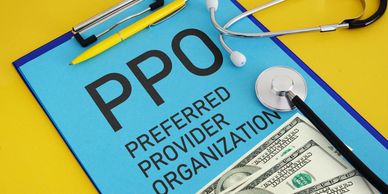
Health insurance plan designs and structures can feel overwhelming alone. With Piggyback we work on your behalf alongside these leading:
- Pharmacy Benefit Managers (PBMs)
- Third-Party Administrators (TPAs)
- Stop Loss Carriers
- Care Navigation Partners
- And other innovative solutions in the marketplace making strides in healthcare.
Care Navigation
Custom Plan Designs
Innovative Strategies

Through our internal care coordination services, employees receive guidance toward high-quality, cost-effective healthcare options for:
- Surgeries
- Imaging
- Specialists
- Procedures
- High-Cost Treatments
This not only improves employee outcomes but also helps reduce unnecessary healthcare spending for both employers and employees. This is a critical part of controlling premium increases.
Innovative Strategies
Innovative Strategies
Innovative Strategies

For businesses looking for alternative, lower cost, more creative benefit strategies, we also offer:
- HealthShare Programs
- Minimum Essential Coverage (MEC) Plans
- Section 125 Qualified Plans
- Direct Primary Care (DPC)
- Supplemental Benefits
- Workers' Compensation
- DOT Physical Programs
Our goal is simple: deliver better benefits while helping employers regain control over healthcare spending.
Companies that are too small to offer a traditional health insurance plan but are still wanting to compete for talent in the marketplace these are great plans to explore. They are not for everyone so make sure to talk with your advisor and employees about the differences and coverages available to them.
AI Support & Advising
Innovative Strategies
AI Support & Advising

Our AI-powered healthcare decision support tool helps employees make more informed healthcare choices using real pricing, quality, reviews, and provider information accumulated through our growing healthcare database.
Based on your plan design, deductible, co-insurance, co-pay, and network. You and your employees can search for care, and shop procedures with transparency before committing.
More accurate information, means we can make better decisions for our health and our finances. This service is available 24/7 and can help your employees feel more confident when making decisions that can effect their health and finances.
Includes imaging, blood work, office visits, surgeries, procedures, occupational medicine, primary care, urgent care and more.
Captive Options
Innovative Strategies
AI Support & Advising

A group health insurance captive is an alternative funding strategy that allows businesses to join together to self-fund their employee health benefits while sharing risk with other like-minded employers. Instead of paying fixed premiums to a traditional fully insured carrier, participating companies contribute to a captive program that is designed to reduce unnecessary insurance costs, provide greater transparency, and reward organizations with healthy claims performance.
Companies join captive health plans to gain greater control over their healthcare spending, improve long-term cost stability, and access data-driven strategies that help lower claims over time. For businesses with a commitment to managing employee health and benefits strategically, a captive can provide significant savings, enhanced plan flexibility, and a more sustainable alternative to traditional group health insurance.
Fully Funded & Self-Funded Plans

How are they the same? Whats the difference?
Choosing between a fully insured and self-funded health plan is one of the most important decisions an employer can make when designing an employee benefits program. Both options provide valuable healthcare coverage for employees, but they differ significantly in how claims are funded, how costs are managed, and the level of flexibility available. Fully insured plans offer predictable monthly premiums and transfer nearly all financial risk to the insurance carrier, making them a familiar option for many businesses. Self-funded plans, on the other hand, allow employers to pay for actual healthcare claims as they occur while protecting against large, unexpected claims through stop-loss insurance.
While both funding models can be effective, self-funded plans often provide employers with greater transparency, customization, and long-term cost-saving opportunities. Rather than paying fixed premiums that may include carrier profit margins and state premium taxes, self-funded employers gain access to detailed claims data, more control over plan design, and the ability to implement strategies that improve employee health while reducing unnecessary healthcare spending. As an independent procurement and benefits consulting firm, we remain vendor and funding-model agnostic and recommend the solution that best fits each organization's goals. However, for many employers—particularly those seeking greater financial control, flexibility, and the potential for lower long-term healthcare costs—a properly structured self-funded plan can deliver significant advantages over a traditional fully insured approach.

Fully Funded
Pro's
- Familiar
- Predictable
- Various Plans
- One Stop Shop
- Easy Button
- Perceived Lower Risk
Fully Funded
Con's
- Little Control
- No Visibility
- Fixed Cost (typically higher)
- Hard to Change
- Narrow Network
- Premium Increases
Self-Funded
Pro's
- Claims Visibility
- ROI & Rebates
- Premium Decreases
- Control of Costs, Care & Network
- Care Navigation
- Transparent Pharmacy (PBM's)
Self-Funded
Con's
- Perceived Risk
- More Moving Pieces
- Learning Curve
- More Decisions
- Initial Switch
Contact Us
Health plans weren't meant to cost your arm and your leg.
If you feel your health plan is lacking, or increases seem too high... Give us a call!
Piggyback
Hours
Today | Closed |